



Ford Oil Change Guide for Coachella Valley Drivers
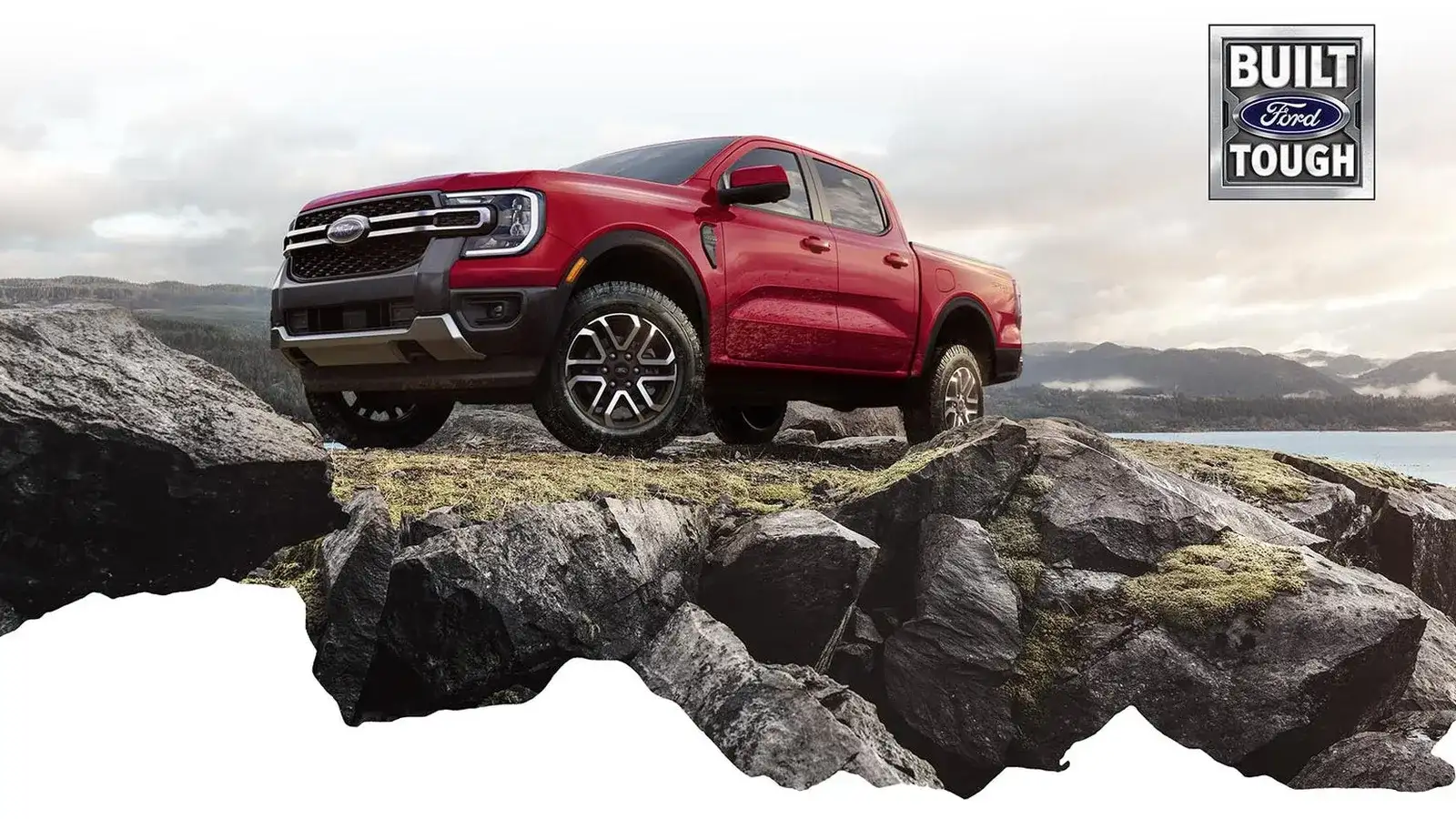
A summer afternoon in the Coachella Valley can put far more strain on your engine oil than a short commute suggests. Heat, stop-and-go traffic, dusty roads, towing, and long stretches of highway all affect how hard your Ford works. A timely Ford oil change is one of the simplest ways to protect the engine that gets your family, gear, jobsite equipment, or weekend plans where they need to go.
The right schedule is not always a single mileage number. Your Ford’s engine, model year, driving habits, and oil-life monitoring system all matter. Here is how to make a smart decision without changing oil too early or waiting too long.
When does your Ford need an oil change?
Many late-model Ford vehicles use the Intelligent Oil-Life Monitor. Rather than relying only on mileage, this system estimates oil condition based on factors such as engine temperature, operating time, speed, towing, and driving conditions. When the display says oil change required or the oil-life percentage gets low, it is time to arrange service.
For a more direct answer: follow the interval in your owner’s manual and do not exceed the maximum recommended time or mileage, even if you have not driven much. Oil can degrade with age, moisture, and repeated short trips. If your vehicle is older and does not have an oil-life monitor, the manual remains the best source for the correct interval.
Coachella Valley driving can qualify as severe use for some owners. Frequent idling in extreme heat, repeated short trips, dusty conditions, hauling a trailer, or commercial use can all make regular maintenance more important. An F-150 that tows equipment around Thermal has different needs than an Escape that mostly makes short trips between Indio and La Quinta.
Ford oil change intervals are not one-size-fits-all
Ford builds vehicles for very different jobs, and their maintenance needs reflect that. A Maverick hybrid, an Explorer family SUV, a Bronco used for desert adventures, and a Super Duty work truck may each use different oil specifications and service intervals.
Your exact engine matters as much as the vehicle name. Turbocharged EcoBoost engines, hybrid powertrains, naturally aspirated gas engines, and diesel engines can require different oil viscosities and Ford-approved specifications. Using oil that is simply labeled as the “right weight” is not always enough. The oil should also meet the specification listed in your owner’s manual or on the oil-fill cap.
That is especially relevant for owners who switch between light commuting and demanding use. If your F-150 spends most weekdays running errands but pulls a boat or work trailer on weekends, tell your service advisor. The goal is not to sell unnecessary maintenance. It is to match the service plan to how your truck is actually used.
What about Ford hybrid and electric vehicles?
Ford hybrids such as the Maverick Hybrid still have gasoline engines, so they still need oil changes. Their engines may run less often than those in a conventional gas model, but the oil-change reminder and maintenance schedule still apply.
A fully electric Ford, including the Mustang Mach-E or F-150 Lightning, does not use engine oil and does not need a conventional oil change. It still needs routine care, including tire rotations, brake inspections, cabin air filter checks, coolant-system inspections where applicable, and fluid checks. EV maintenance is different, not nonexistent.
Choosing the right oil for your Ford
Modern engine oil does more than lubricate moving parts. It helps manage heat, reduces deposits, protects against wear, and supports efficiency. In the desert, heat resistance is particularly valuable because high temperatures can speed up oil breakdown.
The label on an oil bottle includes a viscosity grade, such as 5W-30 or 0W-20. Those numbers describe how the oil flows under different temperatures. But do not choose based on the climate alone. Ford engineers specify oil based on the engine’s design, internal clearances, turbocharger requirements, fuel-economy targets, and emissions equipment.
Most newer Ford vehicles call for synthetic or synthetic-blend oil. Full synthetic oil generally offers strong high-temperature protection and stable performance over its recommended service interval. That can be a practical advantage in local summer conditions. Still, the best choice is always the oil specified for your particular VIN and engine.
It also pays to use a quality oil filter designed for your vehicle. A filter captures contaminants that can circulate through the engine as oil ages. During a professional service, the old filter is replaced, the drain plug and sealing surface are inspected, oil is refilled to the proper level, and the maintenance reminder is reset.
Why desert driving changes the conversation
A Ford oil change in Indio is not quite the same maintenance discussion as it might be in a mild coastal climate. Triple-digit temperatures raise engine and oil temperatures. Fine dust can also be an issue for vehicles that travel unpaved roads, visit trailheads, or work around agricultural and construction areas.
Heat alone does not mean you should guess at a shorter oil-change interval. Your vehicle’s oil-life monitor and manual should lead the decision. But harsh conditions are a good reason to pay attention to alerts, check the oil level periodically, and avoid putting off service after the reminder appears.
Towing deserves special attention. An F-150, Ranger, or Super Duty can be capable of serious work, but towing adds load and heat to the engine and transmission. Before a long trip, check the oil level, cooling system, tire condition, and any maintenance messages. If the oil-life monitor is already low, taking care of the oil change before leaving is the sensible move.
Warning signs you should not ignore
The oil-life message is the clearest service reminder, but it is not the only sign to watch. An oil-pressure warning light requires immediate attention. Safely pull over, shut off the engine when appropriate, and consult a qualified technician. Low oil pressure is not the same as an oil-change reminder and should never be ignored.
You may also notice an oil leak under the vehicle, a burning-oil smell, unusual engine noise, or a dipstick level that is consistently low. These issues do not automatically mean the engine is seriously damaged, but they deserve prompt diagnosis. Adding oil without finding the reason for repeated loss can allow a small problem to become a costly one.
Checking the dipstick between services is a useful habit, particularly before towing or a longer drive. Park on level ground, allow the engine to sit briefly according to the instructions in your manual, then check that the oil level falls within the marked range. Do not overfill it. Too much oil can create problems, too.
Should you change Ford oil yourself or use a service department?
A do-it-yourself oil change can make sense for owners with the correct tools, a safe workspace, and confidence in selecting the exact oil and filter. You will also need a responsible way to recycle used oil and the old filter. Keeping receipts and service records is wise for any vehicle, especially while warranty coverage is active.
Professional service offers a few practical benefits. Factory-trained technicians can confirm the correct oil specification, inspect for leaks or wear, check fluid levels, and look for open recalls or maintenance needs that may be easy to miss at home. For busy families and commercial operators, having a documented maintenance history can also make ownership simpler.
At Fiesta Ford, the service team can help owners compare their Ford’s oil-life reading, mileage, and real-world use before recommending the appropriate service. That kind of conversation matters when your vehicle is a daily commuter one week and a tow vehicle or work partner the next.
A simple routine that protects your Ford
The best maintenance plan is the one you can follow consistently. Watch the oil-life monitor, keep an eye on the dipstick, use the Ford-specified oil and filter, and respond quickly to warning lights. If you drive in heavy heat, tow frequently, idle for work, or travel dusty roads, mention those conditions when scheduling service.
Your Ford is built to handle busy school mornings, desert road trips, jobsite demands, and everything in between. Schedule your next oil service before the reminder becomes an overdue task, and give your engine the care it needs for the miles ahead.
Frequently Asked Questions
Where can I recycle used motor oil in the Coachella Valley?
California has a network of certified used oil collection centers, often at auto parts stores and service shops, that accept used oil and filters from do-it-yourselfers. CalRecycle lists locations. Never pour oil on the ground or into storm drains.
Does Fiesta Ford offer quick oil changes without an appointment?
Fiesta Ford has a Quick Lane service center for routine maintenance like oil changes, tire rotations and inspections. Hours and wait times vary, so check the Quick Lane page or call ahead before you visit.
Should I use full synthetic oil in the desert?
Use the oil type and specification listed in your owner’s manual. Many newer Ford engines call for synthetic or synthetic blend oil, which holds up well in heat. Using the right specification matters more than choosing a thicker oil for hot weather.
Can I reset the oil-life monitor myself?
Yes, most Ford vehicles let you reset the oil-life monitor through the instrument cluster or message center after a change. Ford support pages explain the steps for different setups. A professional service resets it automatically as part of the visit.
0 comment(s) so far on Ford Oil Change Guide for Coachella Valley Drivers