



Ford Fleet Vehicles for Business That Work
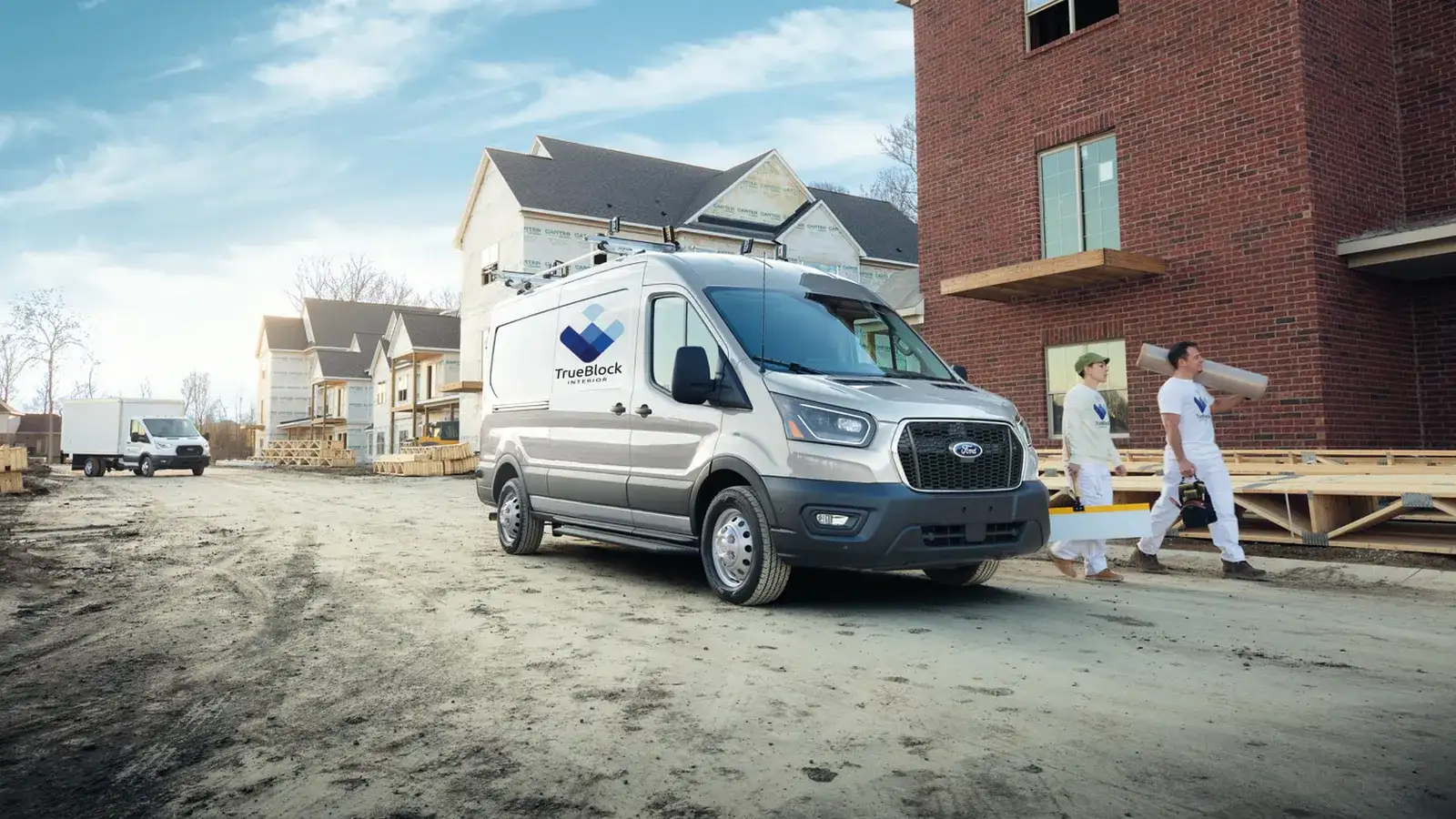
A work vehicle earns its keep long before the odometer gets high. It has to start reliably before sunrise, carry the right equipment, help employees stay productive, and make a professional impression at every jobsite. That is why choosing Ford fleet vehicles for business is less about picking the biggest truck on the lot and more about matching the vehicle to the work your team does every day.
For businesses across the Coachella Valley, the right Ford fleet can support everything from contractor crews and landscaping routes to mobile service calls, deliveries, hospitality operations, and growing family businesses. Ford offers trucks, vans, SUVs, hybrids, and electric vehicles with a wide range of upfit and capability options. The best choice depends on payload, towing needs, passenger space, route length, and the equipment your team cannot leave behind.
Ford Fleet Vehicles for Business Start With the Job
Before comparing model names, define what each vehicle needs to accomplish. A plumbing company may need secure, organized cargo storage and enough payload for tools and parts. A construction company may need to tow equipment between Indio, Thermal, and job sites throughout the valley. A property management team may prioritize a comfortable cabin, fuel-conscious commuting, and room for supplies.
Start with the weight you carry most often, not just the heaviest load you might move once a year. This includes passengers, tools, materials, trailer tongue weight, ladder racks, storage systems, and any aftermarket equipment. Payload and towing ratings can change based on cab style, bed length, powertrain, drivetrain, and optional equipment, so it is worth reviewing the exact configuration before making a fleet decision.
It also helps to consider how a vehicle will spend most of its time. A truck that tows a trailer twice a month has different needs than one that pulls equipment every weekday. Likewise, a van assigned to dense delivery routes has different priorities than an SUV used by a sales team visiting clients across La Quinta, Indian Wells, and Bermuda Dunes.
Which Ford Work Vehicle Fits Your Operation?
Ford Maverick: A Smart Fit for Light-Duty Work
The Ford Maverick is a practical option for businesses that need an easy-to-drive pickup for lighter jobs. Its compact footprint can be especially useful for teams making frequent stops, working in tighter parking areas, or moving between residential properties. With the available 4K Tow Package, properly equipped Maverick models can tow up to 4,000 pounds.
The available hybrid powertrain is worth a close look for businesses with a lot of local driving. It will not replace a heavy-duty truck for large equipment or loaded trailers, but it can make sense for inspectors, sales representatives, maintenance teams, and owners who need a pickup bed without full-size dimensions.
Ford F-150: The Flexible Everyday Work Truck
For many businesses, the Ford F-150 is the center of the fleet conversation because it balances work capability with daily comfort. Properly equipped F-150 models can offer up to 13,500 pounds of available towing, while available bed and cab configurations let businesses prioritize cargo space, crew seating, or both.
The F-150 is a strong match for contractors, landscapers, pool service companies, and teams that need to haul materials during the week but still want a truck employees can use comfortably on longer drives. Features such as available Pro Power Onboard can also be useful for powering tools or equipment at a jobsite, depending on the truck configuration.
The trade-off is size. A full-size truck gives your team more capability, but it may not be the most efficient answer for a vehicle that mainly carries small tools and drives local routes. Right-sizing the fleet protects your operating costs without leaving crews under-equipped.
Ford Super Duty: Built for Serious Towing and Payload
When the work involves larger trailers, heavier materials, or commercial-grade equipment, Ford Super Duty trucks deserve a closer look. F-250, F-350, and F-450 models are designed for demanding towing and hauling applications, with available gasoline and diesel powertrains and multiple cab, bed, and chassis configurations.
A Super Duty can be the right fit for equipment-heavy contractors, agricultural operations, utility work, towing businesses, and companies that need to upfit a truck for a specialized role. The key is to match the truck’s ratings to the loaded trailer and cargo you actually operate. Choosing more capability than you need may add unnecessary size and fuel use, while choosing too little can limit your business before it has room to grow.
Ford Transit: The Mobile Workspace
For many service businesses, a cargo van is more productive than a pickup. The Ford Transit offers multiple roof heights, wheelbase lengths, and cargo configurations, which makes it easier to create a mobile workspace for shelves, bins, racks, parts, and secured equipment.
Transit vans are especially useful for HVAC, electrical, plumbing, delivery, mobile repair, and event-support operations. A properly planned upfit can reduce time spent searching for tools and help protect inventory from weather and visibility. Available all-wheel drive can also be valuable for teams whose routes extend beyond paved valley roads.
Passenger Transit models can serve shuttle, hospitality, and group transportation needs, while Transit Cutaway and Chassis Cab configurations give businesses a foundation for specialized bodies. This flexibility matters when one vehicle needs to become a box truck, service body, utility unit, or people mover.
Electric Ford Fleet Options: When Routes Are Predictable
Electric fleet vehicles can be a practical fit when your business has predictable daily routes and dependable charging access. The E-Transit is designed around commercial cargo-van use, and pre-owned or remaining F-150 Lightning trucks can add full-size electric pickup utility, since Ford is no longer taking orders for the Lightning in its current form. The Mustang Mach-E can also make sense for client-facing employees and management teams whose days involve local travel rather than hauling equipment.
An EV is not automatically the best choice for every fleet. Long-distance towing, irregular regional travel, and limited overnight charging can make a gas, hybrid, or diesel vehicle more practical. But for businesses returning to a central location each night, electric vehicles can offer a quiet driving experience, reduced routine maintenance needs, and useful operating cost predictability.
Plan Your Fleet Around Total Ownership, Not Just Purchase Day
A business vehicle affects far more than the initial transaction. Fuel or electricity use, maintenance, downtime, insurance, tires, resale value, and employee productivity all matter over the life of the vehicle. A lower-capability model may cost less to operate on paper, but it can become expensive if it requires extra trips or cannot carry the tools your crew needs.
Maintenance planning is part of fleet planning, too. Desert heat, dust, stop-and-go driving, and heavy loads can be demanding on brakes, tires, batteries, cooling systems, and fluids. Keeping factory-recommended service on schedule helps your vehicles stay ready when a customer calls. A dealership with factory-trained technicians can be a valuable partner when your business depends on minimizing downtime.
For a small business, consistency is often just as valuable as scale. Running several similar trucks or vans can simplify driver training, service scheduling, parts planning, and replacement decisions. That does not mean every vehicle must be identical. It means each one should have a clear purpose in the operation.
New, Used, or a Mixed Ford Fleet?
New Ford fleet vehicles can offer the latest technology, current powertrain choices, full warranty coverage, and the ability to order a configuration that suits your business from the start. They are often the right call when a vehicle will be heavily used, upfitted, or kept in service for years.
Used Ford trucks and vans can be a smart value for a growing company that needs to add capacity quickly. The condition, maintenance history, mileage, and prior use matter more than the model year alone. A used vehicle that has been maintained properly and fits your workload can be a strong addition to the fleet.
Many businesses benefit from a mixed approach. For example, a company might use newer Transit vans for customer-facing service routes while retaining a well-maintained Super Duty for occasional heavy towing. The goal is not to make every unit match. It is to give every job the right tool.
Questions to Ask Before Ordering or Buying
Ask how much payload the vehicle will carry on an ordinary workday, how often it will tow, and whether the trailer weight includes cargo and equipment. Consider who will drive it, where it will park, and whether it needs shelving, ladder racks, toolboxes, a service body, or company graphics.
You should also think ahead. If your business expects to add employees, expand service territory, or take on larger contracts, buying at the edge of your current needs can create an early replacement cycle. On the other hand, buying far more truck or van than necessary can tie up resources that could support hiring, equipment, or inventory.
A fleet conversation should include financing structure as well. Businesses may have different cash-flow and ownership goals than personal vehicle buyers, so reviewing available financing options early can help shape the right vehicle plan.
Whether you need one dependable work truck or a coordinated group of vans and pickups, Fiesta Ford in Indio can help you compare configurations around the way your business actually operates. Bring your payload, trailer, route, and upfit questions, then choose a Ford fleet that gives your team room to do good work tomorrow.
Frequently Asked Questions
Can Fiesta Ford help with custom upfits for work trucks and vans?
Fiesta Ford offers custom commercial vehicle options and can talk through shelving, racks, service bodies and other upfits for trucks and vans. Bring your payload, equipment and route details so the configuration matches the work your team does every day.
Are there California rules for commercial fleets I should know about?
California has emissions rules that can apply to certain commercial and medium and heavy duty fleets, and these rules have changed in recent years. Check the California Air Resources Board for current requirements for your fleet size and vehicle types before planning purchases.
Is a Maverick or F-150 better for a small landscaping business?
A Maverick suits lighter loads, small trailers and tight residential stops. An F-150 handles heavier trailers, bigger payloads and crew seating. Compare the weight of your loaded trailer and daily tools against each truck rating, and leave margin for Coachella Valley heat.
How can I reduce downtime for fleet service?
Schedule maintenance around slower days, keep service records for each unit and address warning lights early. Ask Fiesta Ford about service options for fleet vehicles, including scheduling ahead so trucks and vans are back on the road as soon as possible.
0 comment(s) so far on Ford Fleet Vehicles for Business That Work