



Ford Certified Pre Owned Warranty Explained
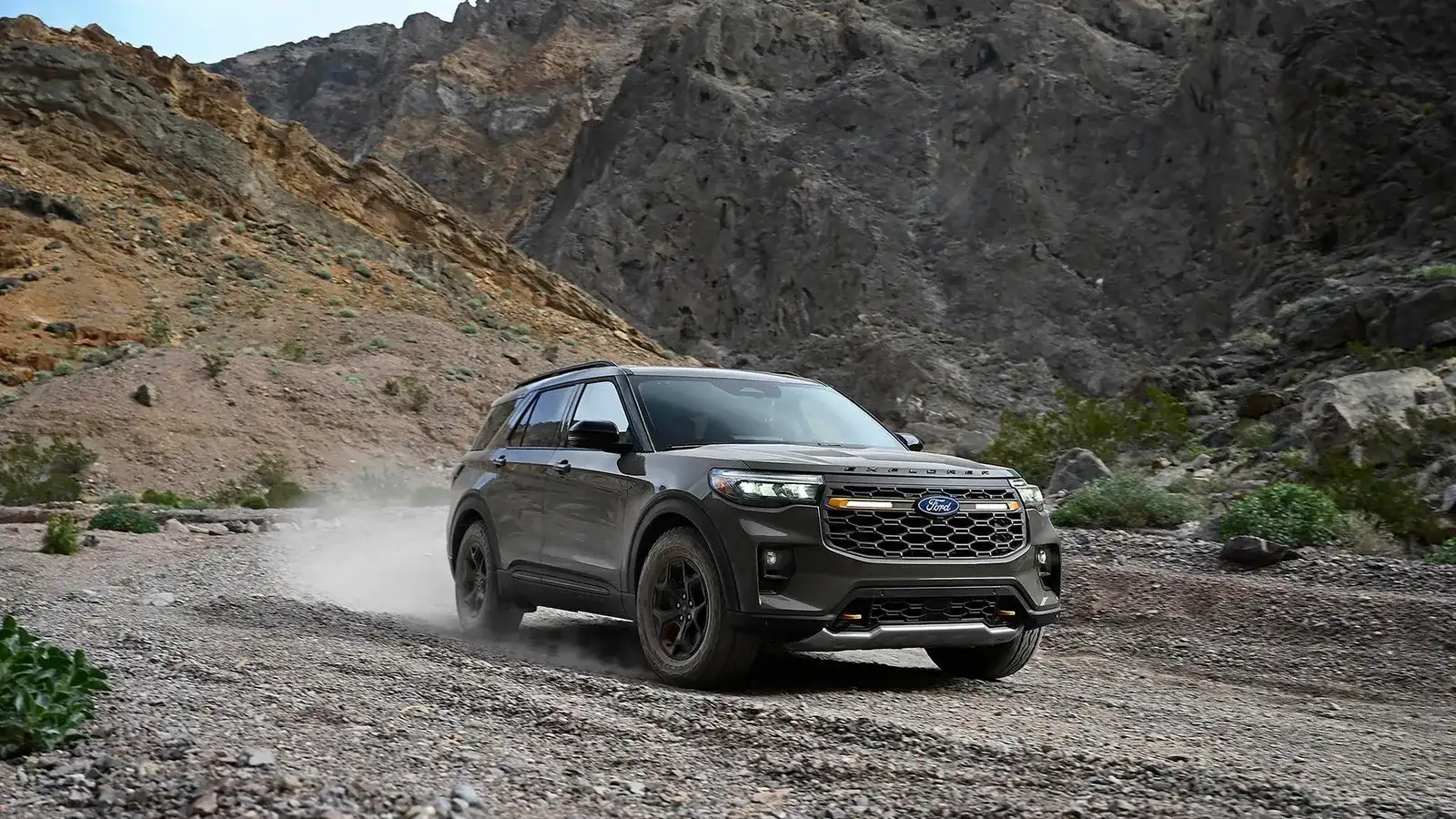
A late-model F-150, Explorer, or Bronco can look nearly new on the lot, but the protection behind it may be very different from one used Ford to the next. That is why the Ford certified pre owned warranty deserves more attention than a quick glance at the odometer. For Coachella Valley drivers, it can provide meaningful confidence when choosing a capable truck, family SUV, or EV without buying brand-new.
Ford Certified Pre-Owned vehicles are not simply used vehicles with a warranty added on. They must meet Ford age and mileage standards, pass a detailed inspection, and qualify for Ford-backed limited warranty coverage. The exact benefits depend on whether the vehicle is Gold Certified or Blue Certified, so reading the vehicle-specific paperwork matters.
What Does a Ford Certified Pre Owned Warranty Cover?
Ford Blue Advantage certification generally comes in two main levels, Gold Certified and Blue Certified, plus an EV Certified level for eligible electric Fords. Both are designed to offer more assurance than a typical used-vehicle purchase, but their coverage periods and eligibility requirements are different.
A Gold Certified Ford typically includes a 12-month/12,000-mile Comprehensive Limited Warranty, measured from the certified purchase date or the expiration of applicable new-vehicle coverage, depending on the terms. It also includes a 7-year/100,000-mile Powertrain Limited Warranty that begins from the original new-vehicle warranty start date. That distinction is easy to miss. A vehicle’s model year alone does not tell you how much powertrain coverage remains.
The comprehensive portion is intended to cover many major vehicle systems beyond the engine and transmission. Depending on the contract, this can include components related to steering, brakes, suspension, electrical operation, air conditioning, and more. The powertrain warranty focuses on core systems such as the engine, transmission, and drive components.
Blue Certified vehicles are generally older or have more miles than Gold Certified vehicles. They commonly include a 90-day/4,000-mile Comprehensive Limited Warranty. This option can be a practical fit for a value-focused shopper who wants an inspected Ford with short-term Ford-backed protection, while recognizing that it does not provide the same length of coverage as Gold Certified.
Coverage is limited, not all-inclusive. Wear items and maintenance needs are usually excluded. Tires, brake pads, wiper blades, filters, cosmetic concerns, and routine oil changes are examples of items that may fall outside warranty protection. A warranty is there for covered mechanical repairs, not to replace a regular maintenance plan.
Gold Certified vs. Blue Certified Ford Coverage
The right certification often comes down to how long you expect to keep the vehicle, how much you drive, and what type of Ford you are considering.
A Gold Certified F-150 can make particular sense for someone who tows, commutes between Indio and other parts of the valley, or relies on a truck for work. Powertrain protection may be especially valuable when the truck will be asked to handle long highway miles, jobsite equipment, or weekend trailers. Still, buyers should confirm the truck’s towing history, maintenance records, engine configuration, and remaining coverage before making a decision.
For a compact SUV such as an Escape or Bronco Sport, Blue Certified coverage may be enough for a driver who wants a dependable second vehicle, a first vehicle for a newer driver, or a lower-mileage daily commuter. It can also be a sensible middle ground for shoppers comparing certified used against a conventional used vehicle.
Gold Certified is not automatically the best choice for every household. If you plan to trade again soon, drive relatively few miles, and find a Blue Certified vehicle that meets your needs, the shorter warranty may be perfectly reasonable. On the other hand, a family expecting years of school runs, desert heat, road trips, and daily errands may value the broader and longer Gold Certified protection.
Why the Inspection Matters as Much as the Warranty
A Ford Certified Pre-Owned warranty gets much of the attention, but certification starts with the inspection. Gold Certified vehicles undergo a 172-point inspection, while Blue Certified vehicles undergo a 139-point inspection. Trained technicians check major systems, road-test the vehicle, and assess its overall condition before it can be offered as certified.
That process helps separate a certified Ford from a vehicle sold simply as used. It does not mean the vehicle will never need service. Any vehicle with prior miles can eventually need tires, brakes, a battery, or scheduled maintenance. What it does mean is that the vehicle has met Ford’s certification requirements at the time of sale and comes with the applicable limited warranty benefits.
For drivers in hot desert conditions, condition matters. Air conditioning performance, cooling systems, batteries, tires, and fluid levels all deserve close attention. Ask to see the vehicle history report and review what service or reconditioning was completed. A good conversation before delivery can prevent assumptions later.
Questions to Ask Before You Buy a Certified Ford
Before choosing a certified Maverick, Explorer, Mustang Mach-E, F-150 Lightning, or another Ford, ask for clear answers about the specific vehicle rather than relying on a general warranty description.
First, ask whether it is Gold Certified or Blue Certified. Then ask when the original new-vehicle warranty began, how many miles are currently on the odometer, and when each certified warranty ends. For Gold Certified vehicles, the powertrain term may be closer to its mileage or time limit than shoppers expect because it is calculated from the original warranty start date.
You should also ask for the warranty agreement and exclusions. The sales team should be able to explain deductibles, covered components, transferability, roadside assistance details, and how repairs are handled if you are traveling outside the Coachella Valley. Terms can change, and the signed agreement for the exact vehicle is the document that controls coverage.
Finally, ask about available extended protection plans if you intend to keep the vehicle after its certified coverage ends. Extended coverage is optional, and it is worth comparing the cost, term, deductible, and your own expected driving habits. A buyer who drives only a few thousand miles each year may make a different decision than a commercial operator or a frequent desert-to-coast traveler.
Certified Pre-Owned vs. Regular Used Ford
The biggest advantage of a regular used Ford is usually selection. You may find more model years, trim levels, colors, and mileage ranges. A regular used vehicle can be a smart choice when you have a trusted service history, a thorough pre-purchase inspection, and a clear budget for future maintenance.
The advantage of certified pre-owned is added confidence. You get an eligible vehicle that has passed Ford’s certification inspection and includes Ford-backed limited warranty coverage. For many buyers, that additional layer is valuable when comparing a used truck or SUV with a newer vehicle.
Think about the vehicle’s role in your life. A weekend Bronco that will see modest mileage creates a different ownership calculation than an Explorer carrying children across town every day. A business owner depending on an F-150 for appointments and equipment has different downtime concerns than a retiree looking for an occasional road-trip vehicle.
A Note for Hybrid and EV Shoppers
Certified status does not replace the need to understand battery-related coverage and charging needs. If you are considering a Mustang Mach-E, F-150 Lightning, or Ford hybrid, ask specifically about the high-voltage battery warranty, the vehicle’s charging equipment, software updates, and any remaining factory coverage. These items can follow different rules from the certified limited warranty.
It is also wise to consider your real driving routine. Home charging may make an EV a natural fit for many households, while a hybrid may suit drivers who take longer routes or do not have convenient charging access. The best choice is the one that matches your daily miles, towing needs, and comfort with charging.
A certified Ford can be an excellent way to bring home the truck or SUV your family needs with extra reassurance built in. At Fiesta Ford, shoppers can compare certified and used inventory side by side, review financing options that fit their plans, and get straightforward answers about the warranty attached to the exact Ford they are considering.
Frequently Asked Questions
Can I buy a certified pre-owned Ford that is not a Ford brand vehicle?
Yes, through the Blue Certified level. Ford says Blue Certified can include any make and model that meets its age and mileage limits and passes a 139 point inspection. Gold Certified is limited to eligible Ford models. Ask Fiesta Ford which level applies to a specific vehicle.
Is there a return window on a Ford Blue Advantage vehicle?
Ford currently advertises a Money Back Guarantee for Blue Advantage vehicles with a limited return window measured in days and miles. Conditions apply, so read the terms for your purchase and ask the Fiesta Ford team how the guarantee works before you sign.
Does a certified Ford include roadside assistance?
Ford Blue Advantage currently lists complimentary 24/7 roadside assistance among its benefits. That can be reassuring on long desert drives along I-10. Confirm the term and coverage details in the paperwork for the exact vehicle you buy.
Can I get a certified F-150 Lightning or Mustang Mach-E?
Ford offers an EV Certified level for eligible electric Fords that meet age and mileage limits and pass a dedicated inspection. Ask about the high-voltage battery coverage remaining from the original warranty, and check current certified EV inventory at Fiesta Ford.
0 comment(s) so far on Ford Certified Pre Owned Warranty Explained